
Blogs from the Blackstuff





Blogs from the Blackstuff
Professor John Clancy and Professor David Bailey
Blogs from the Blackstuff
Blogs from the Blackstuff
Blogs from the Blackstuff


By Professor David Bailey
1st June 2026
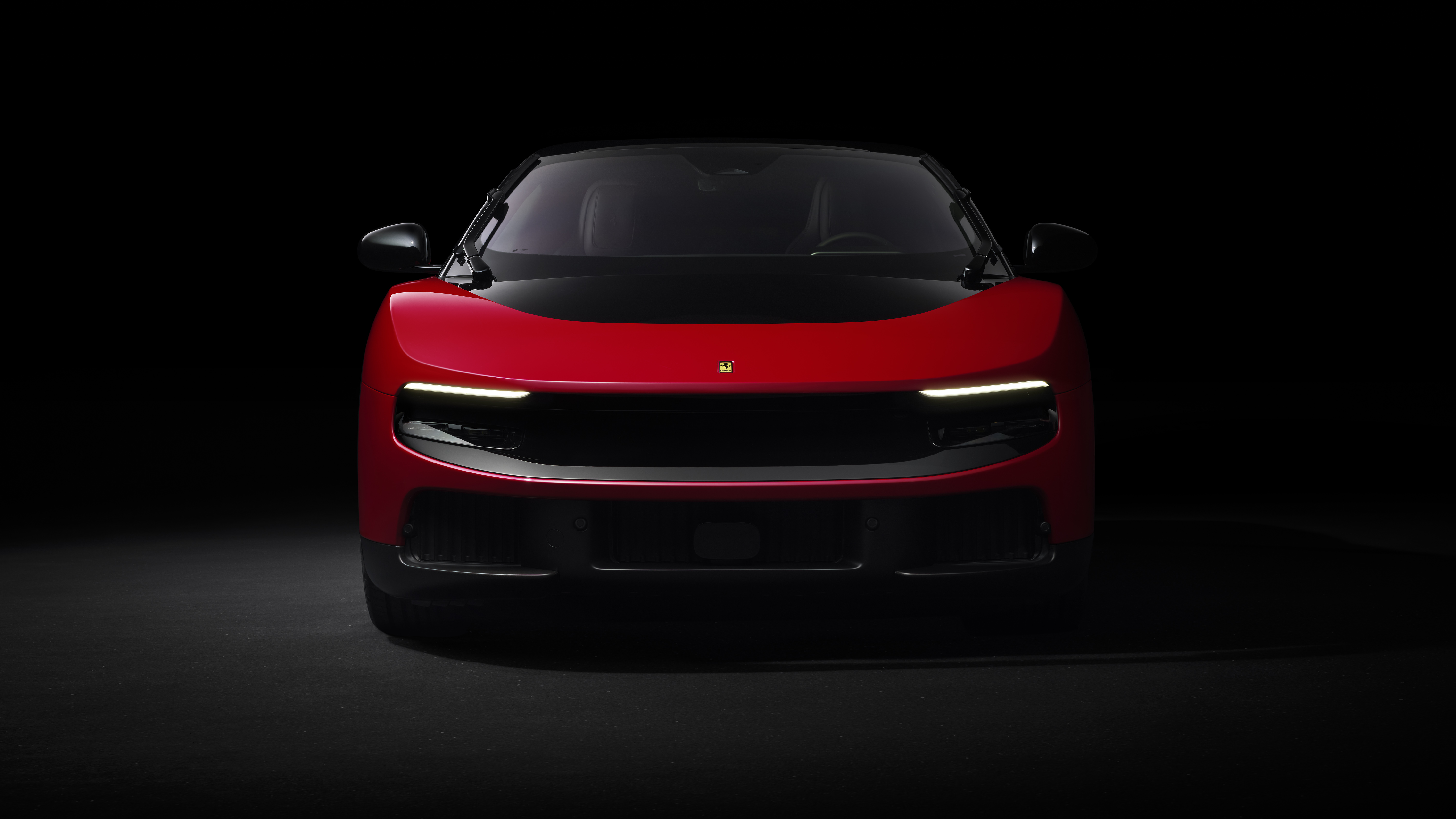
When Ferrari unveiled its first fully electric vehicle last week, many people expected excitement. After all, Ferrari is one of the most famous car brands in the world, known for pushing technology forward and building some of the fastest and most desirable cars ever made.
Instead, the launch was met with a huge amount of criticism. Social media filled with jokes, enthusiasts complained online, and even some former senior Ferrari figures questioned the company’s direction. So why did Ferrari’s first EV create such a strong reaction?
The answer goes far beyond the fact that the car is electric.
Ferrari is more than just a car company
To understand the backlash, you first need to understand what Ferrari means to many people. Most car manufacturers sell transportation. Ferrari sells emotion.
For decades, Ferrari has built its reputation on powerful engines, dramatic styling, motorsport success, and an experience that appeals to the senses. The sound of a Ferrari V8 or V12 engine is often considered just as important as the car’s performance.
Many Ferrari owners and fans see the engine as the heart of the car. The noise, vibrations, gear changes, and mechanical feel are all part of what makes a Ferrari special.
An electric vehicle changes that formula completely. Electric motors are incredibly fast and efficient, but they are also much quieter and smoother. For some enthusiasts, that means losing a key part of the Ferrari experience.
As a result, many people viewed Ferrari’s move into pure play electric vehicles as a threat to the brand’s identity rather than a natural evolution. The unveiling of Jaguar’s Type 00 concept EV also provoked a backlash, after all.

The design divided opinion
While the electric powertrain attracted attention, the styling caused even more controversy.
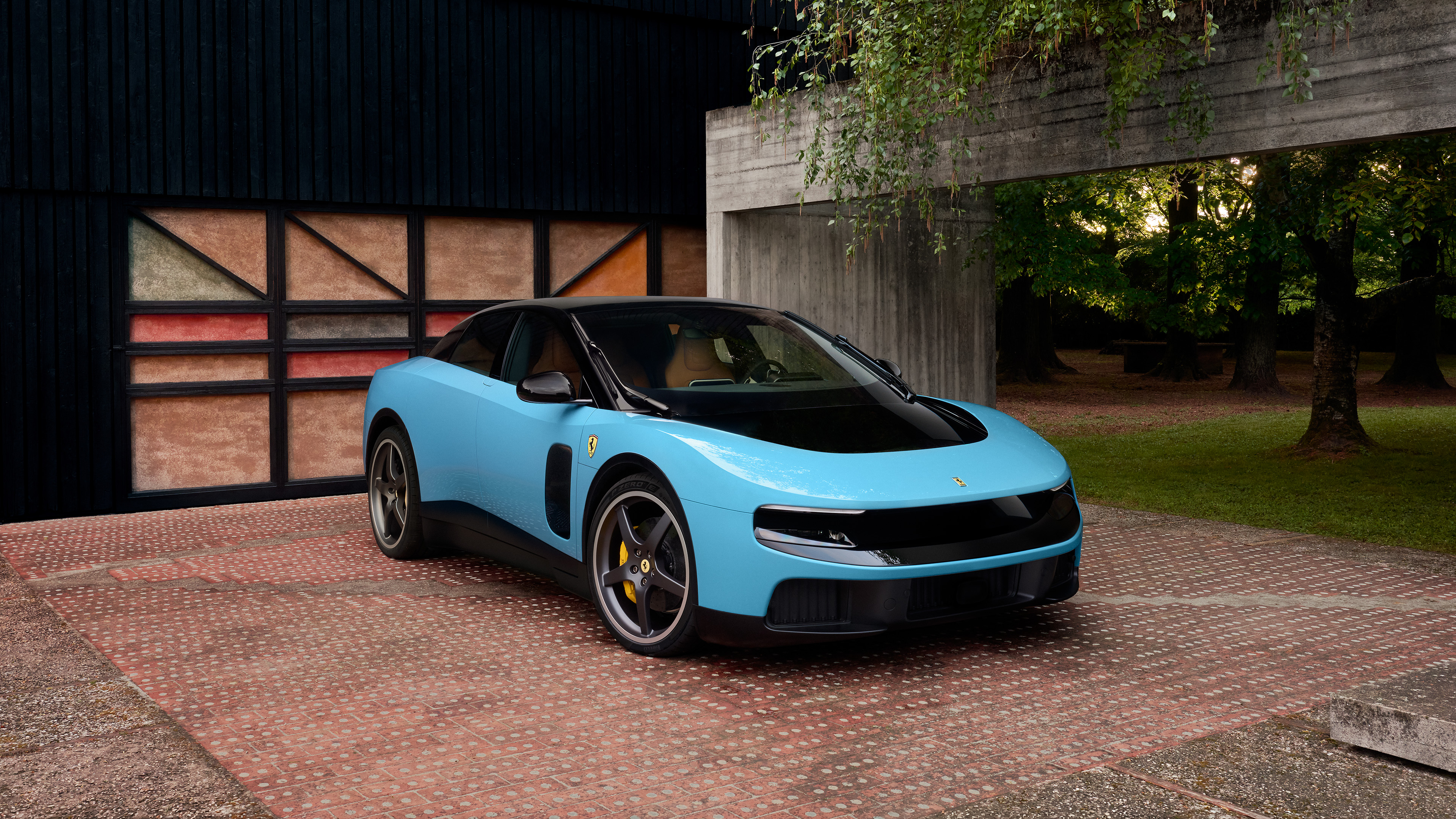
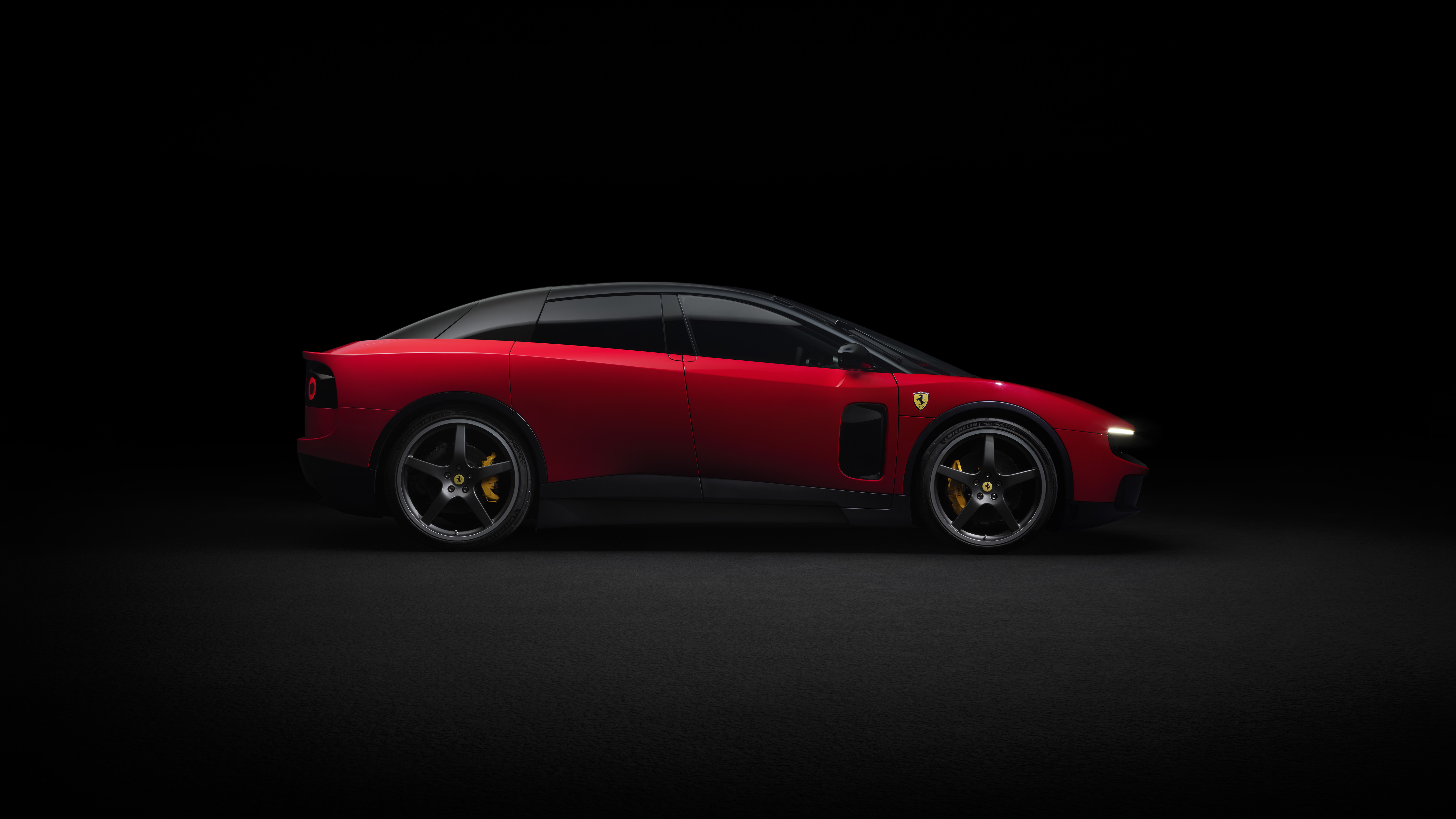
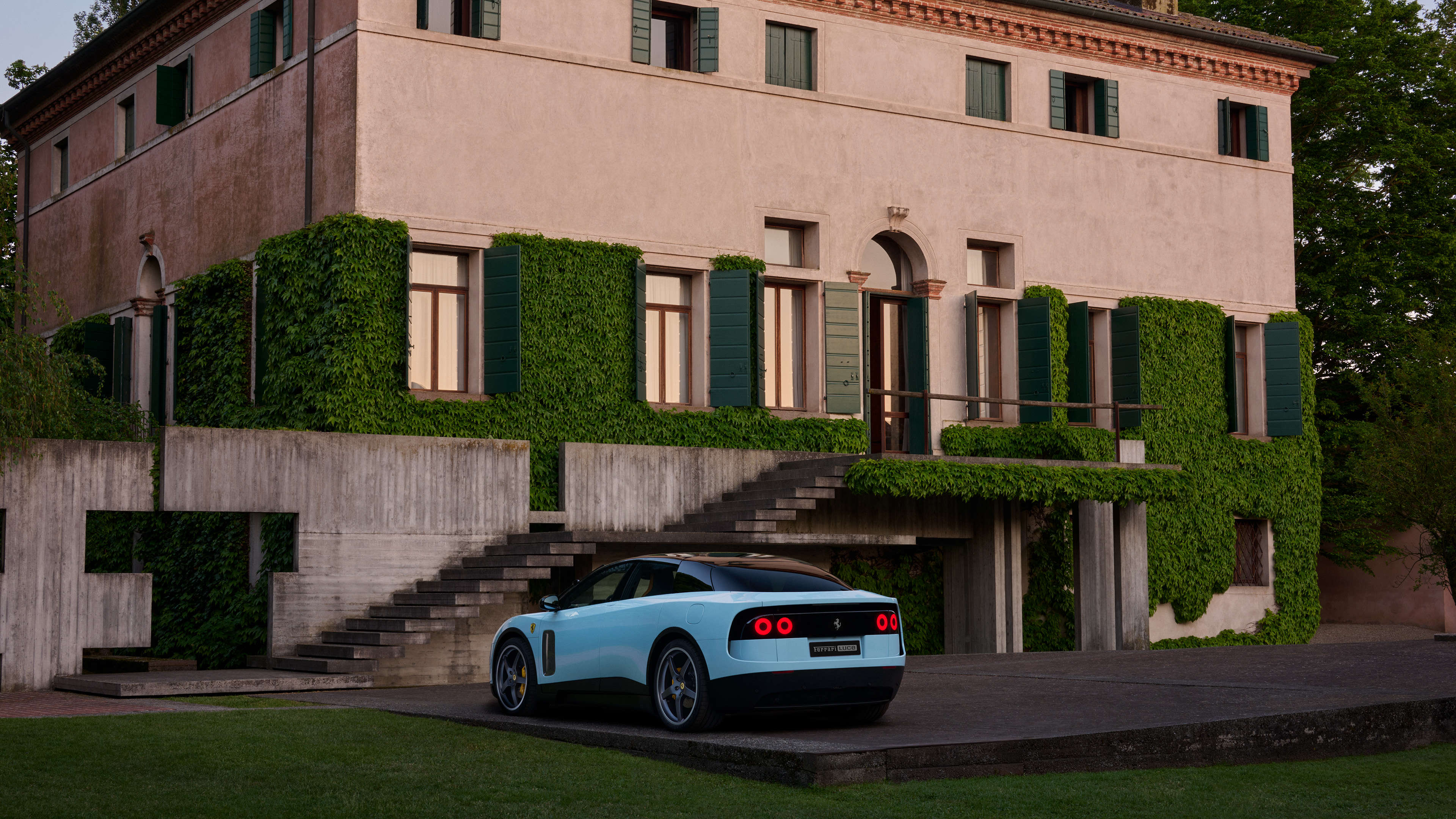
Many people expected Ferrari’s first EV to look like a futuristic supercar. Instead, the company revealed a larger four-door grand tourer with a higher ride height, a more practical design, and all the sex appeal of a jelly mold.
Some critics argued that the car lacked the dramatic proportions traditionally associated with Ferrari. Others compared its shape to more ordinary electric vehicles from China rather than an exotic sports car.
Social media quickly amplified these reactions. Memes spread across X, Instagram, YouTube, and car forums, with users poking fun at the vehicle’s bland appearance.
This all highlights how difficult it is for an iconic brand to introduce a radically different design without upsetting a big chunk of its fanbase.
Ferrari changed too many things at once
Perhaps the biggest mistake, at least from a public relations perspective, was that Ferrari changed several traditional elements simultaneously. The new EV is fully electric, four-door, a practical grand tourer, designed for everyday use, and targeted at a broader luxury market.
Any one of these changes might have been accepted on its own. However, combining all of them into Ferrari’s first electric model made many enthusiasts feel that the company had moved too far away from its roots in a single step.
Many people were not simply reacting to the lack of an engine. They were reacting to a complete reimagining of what a Ferrari could be.
The price charged up debate
Another major talking point was the price. Luxury electric vehicles are already expensive, but Ferrari operates in an entirely different market segment. The company’s first EV carries a price tag of around £500,000 and that places it among the most exclusive vehicles on the road.
Critics questioned whether customers would be willing to spend that much money on an electric Ferrari when there are already several high-performance EVs available from other manufacturers.
Supporters argue that Ferrari has never competed on value for money. People buy Ferraris because of the brand, exclusivity, craftsmanship, and performance.
Nevertheless, the high price became another reason for critics to attack the vehicle online.
The wider debate about EVs
Ferrari’s launch also became caught up in a much larger conversation.
Electric vehicles remain one of the most debated topics in the automotive world. Some drivers fully embrace electrification, while others remain sceptical about charging infrastructure, battery technology, driving range, and long-term ownership costs.
Because Ferrari is such a famous brand, its first EV became a symbol in this wider debate.
People who dislike electric vehicles saw the launch as evidence that car manufacturers are abandoning traditional performance cars. Meanwhile, EV supporters viewed it as proof that even the world’s most prestigious sports car brands are moving toward an electric future.
In many ways, Ferrari’s EV became part of a cultural argument that extends far beyond the car itself.
Why Ferrari isn’t that bothered
Despite the criticism, Ferrari’s leadership is confident. The company has a long history of making controversial decisions that later became accepted. And this car will probably be snapped up by collectors.
Ferrari SUVs were once considered unthinkable, yet the Purosangue became a commercial success. Hybrid Ferraris were also criticized initially, but models such as the SF90 demonstrated that electrification can enhance performance.
And Ferrari knows that its core customers are often very different from those commenting online.
Like me, many social media users will never buy a Ferrari. The people who actually purchase these vehicles are typically interested in exclusivity, technology, performance, and innovation. And they have a pile of cash. If those customers embrace the new EV, the online backlash may ultimately have little impact on sales.
The Future of Ferrari
The real question here is whether Ferrari can preserve its emotional appeal in an electric age.
The company must convince buyers that excitement does not depend entirely on engine noise. Instead, it will need to create new forms of engagement through design, performance, technology, and driving dynamics.
This challenge is not unique to Ferrari. Every luxury and performance manufacturer faces the same issue as the automotive industry evolves.
What makes Ferrari’s situation different is the strength of its heritage. Few brands are as closely linked to the sound and character of internal combustion engines. That’s why Ferrari’s first EV attracted such intense scrutiny.
Some final thoughts
The backlash against Ferrari’s first electric vehicle was never just about batteries or electric motors. It was about identity.
For many enthusiasts, Ferrari represents a specific vision of performance that has remained largely unchanged for decades. When the company introduced a vehicle that challenged several of those traditions at once, criticism was inevitable.
Whether the critics are right or wrong remains to be seen. What is certain is that Ferrari’s first EV marks one of the most important moments in the company’s history. The success or failure of this model could influence not only Ferrari’s future but also how other luxury performance brands approach the transition to electric vehicles.
The controversy itself highlights Ferrari’s importance. Few car companies could ever generate this much discussion simply by launching a new model.
Professor David Bailey works at the Birmingham Business School.
All Picture credits- Ferrari Media Centre, Editorial use license waiver

 John Clancy and David Bailey